
Sitemap
A list of all the posts and pages found on the site. For you robots out there is an XML version available for digesting as well.
Pages
Posts
Future Blog Post
Published:
This post will show up by default. To disable scheduling of future posts, edit config.yml and set future: false.
Blog Post number 4
Published:
This is a sample blog post. Lorem ipsum I can’t remember the rest of lorem ipsum and don’t have an internet connection right now. Testing testing testing this blog post. Blog posts are cool.
Blog Post number 3
Published:
This is a sample blog post. Lorem ipsum I can’t remember the rest of lorem ipsum and don’t have an internet connection right now. Testing testing testing this blog post. Blog posts are cool.
Blog Post number 2
Published:
This is a sample blog post. Lorem ipsum I can’t remember the rest of lorem ipsum and don’t have an internet connection right now. Testing testing testing this blog post. Blog posts are cool.
Blog Post number 1
Published:
This is a sample blog post. Lorem ipsum I can’t remember the rest of lorem ipsum and don’t have an internet connection right now. Testing testing testing this blog post. Blog posts are cool.
portfolio
In-situ Observations
Liran participated in UWYO King Air Maneuvers conducted in clear air. 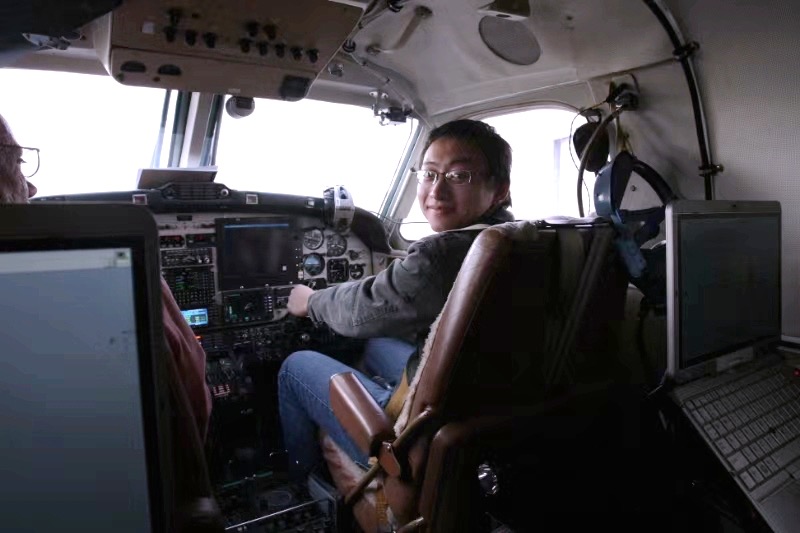
Portfolio item number 2
Short description of portfolio item number 2 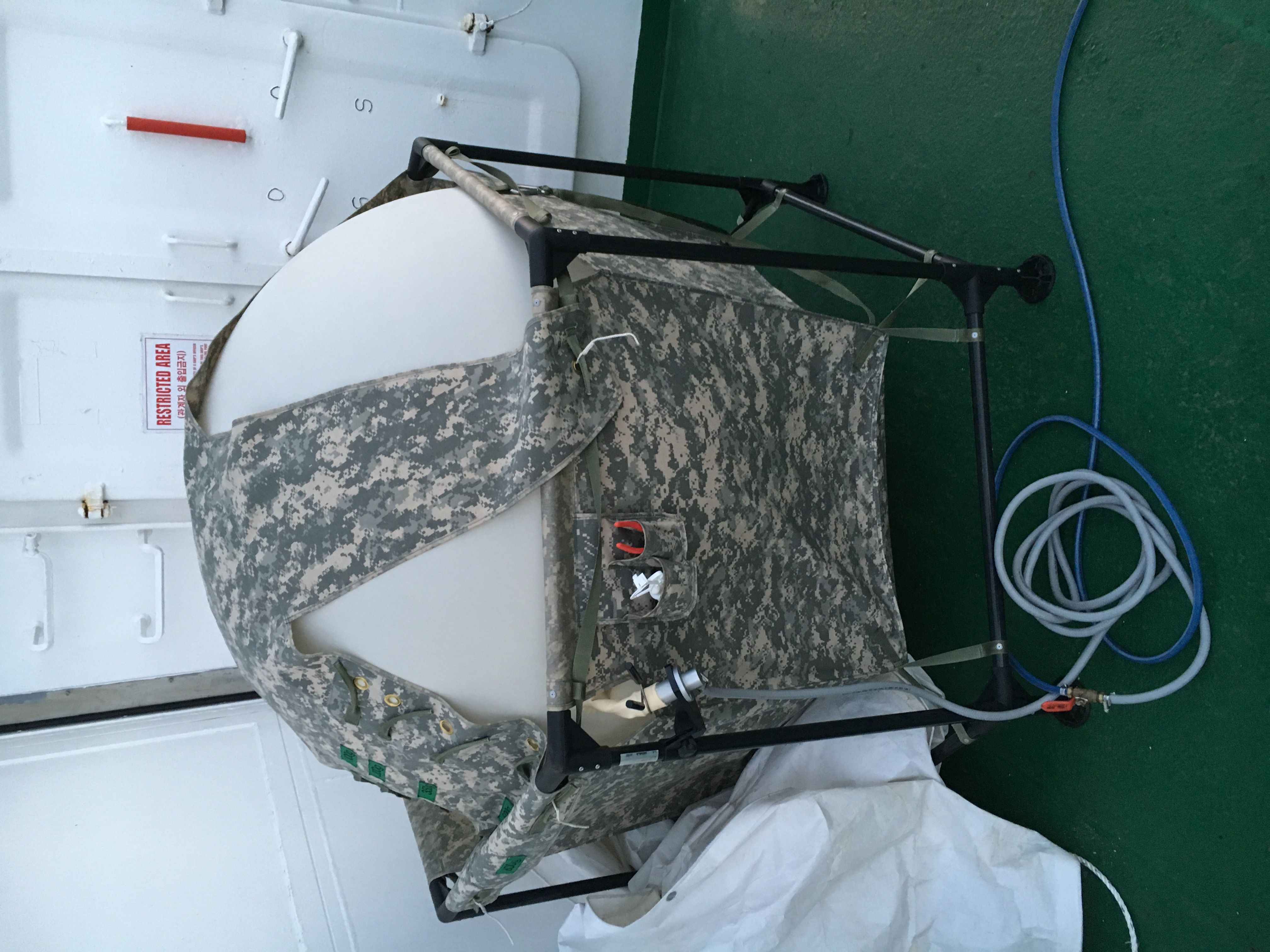
Arctic Observations
CTD observation 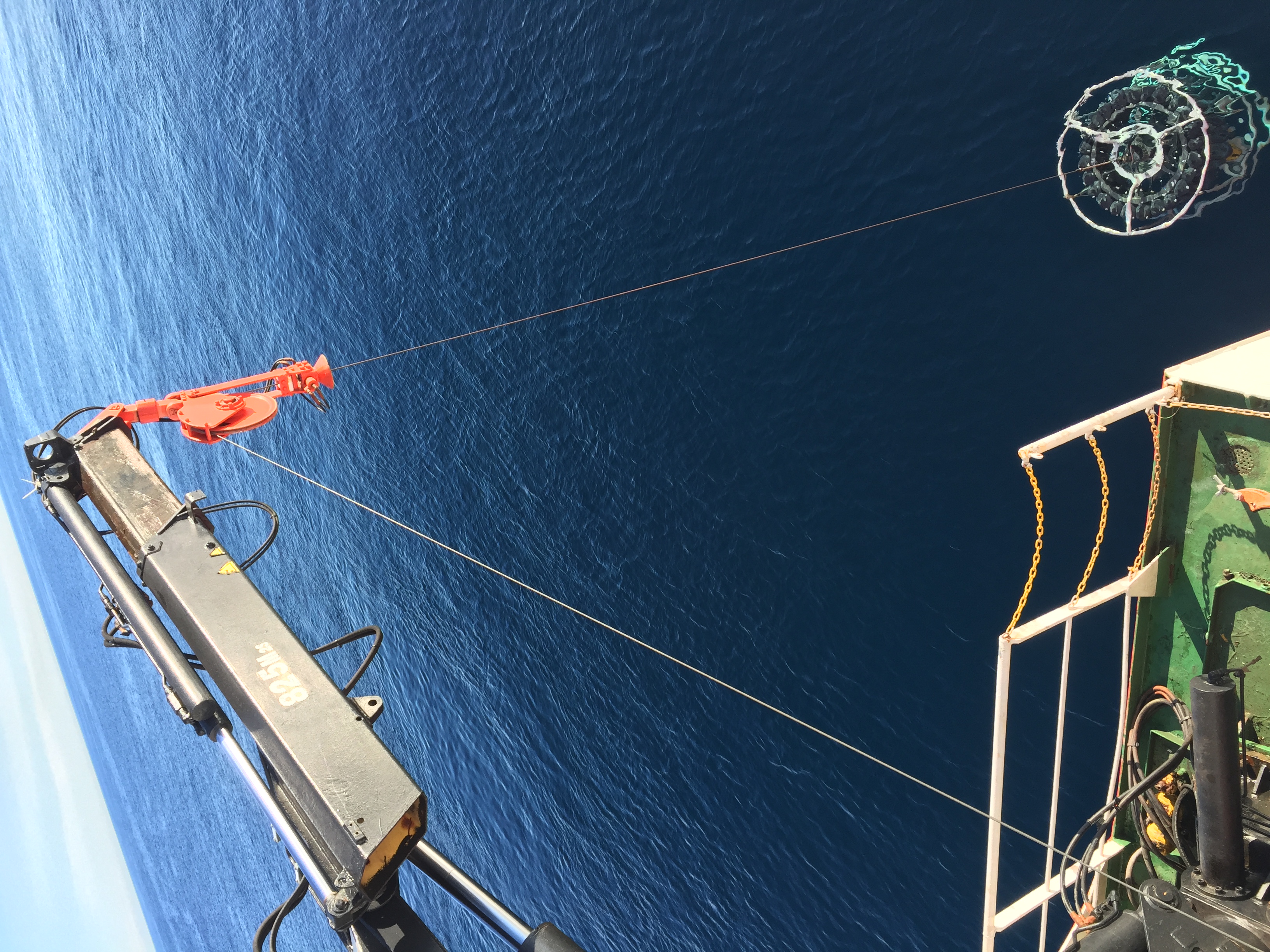
Arctic Observations
A photo showing me preparing to launch the balloon. This balloon is about 1.5 meters (approximately 5 feet) in diameter and gradually expands in size as it rises due to the decrease in air pressure. When the balloon reaches a diameter of 6 to 8 meters (20 to 25 feet), it bursts. 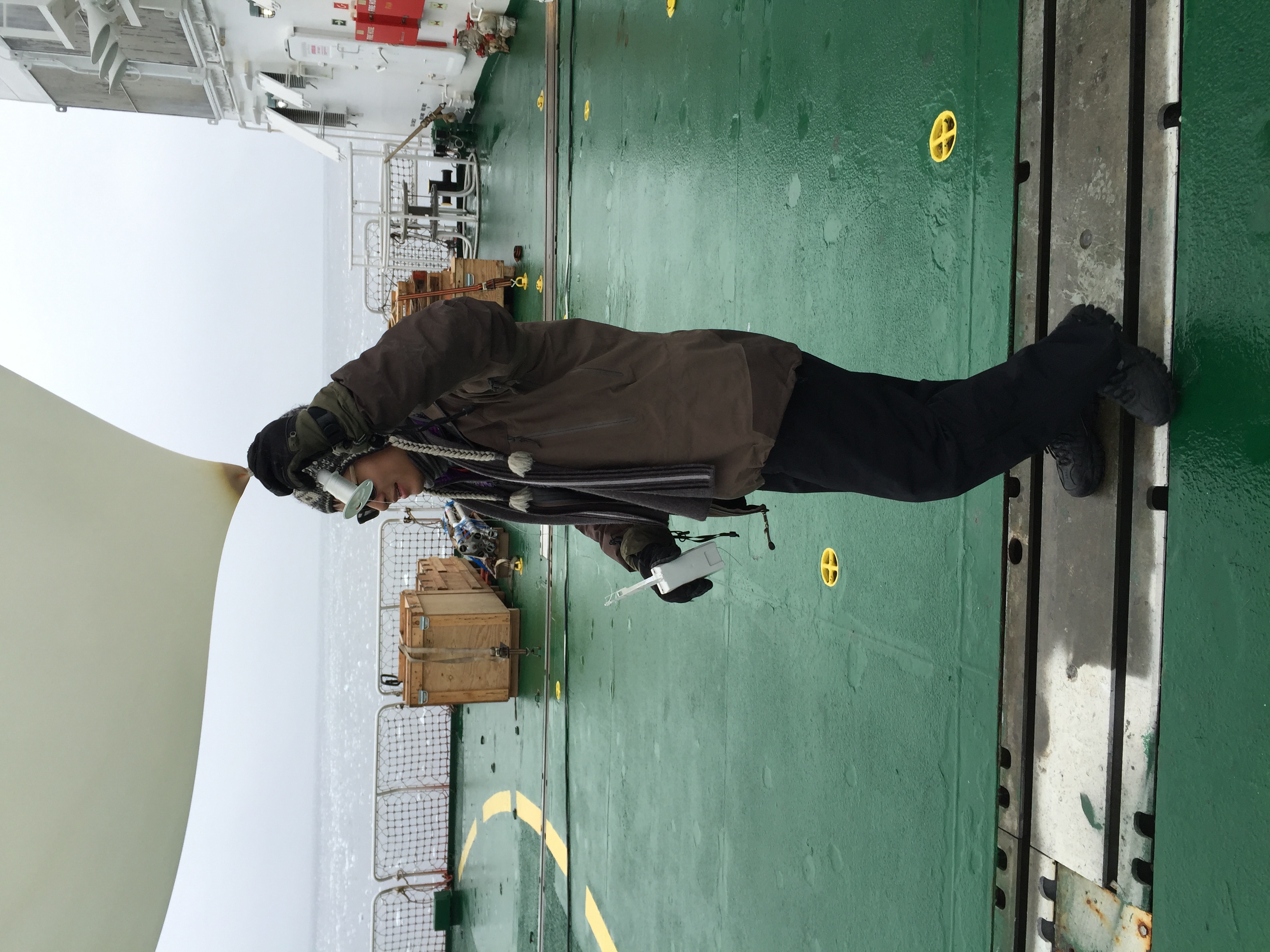
publications
Ice crystal concentrations in wave clouds: dependencies on temperature, D > 0.5 μm aerosol particle concentration, and duration of cloud processing
Published in , 2015
Model equations used to either diagnose or prognose the concentration of heterogeneously nucleated ice crystals depend on combinations of cloud temperature, aerosol properties, and elapsed time of supersaturated-vapor or supercooled-liquid conditions. The validity of these equations has been questioned. Among many uncertain factors there is a concern that practical limitations on aerosol particle time of exposure to supercooled-liquid conditions, within ice nucleus counters, has biased the predictions of a diagnostic model equation. In response to this concern, this work analyzes airborne measurements of crystals made within the downwind glaciated portions of wave clouds. A streamline model is used to connect a measurement of aerosol concentration, made upwind of a cloud, to a downwind ice crystal (IC) concentration. Four parameters are derived for 80 streamlines: (1) minimum cloud temperature along the streamline, (2) aerosol particle concentration (diameter, D > 0.5 μm) measured within ascending air upwind of the cloud, (3) IC concentration measured in descending air downwind, and (4) the duration of water-saturated conditions along the streamline. The latter are between 38 and 507 s and the minimum temperatures are between −34 and −14 °C. Values of minimum temperature, D > 0.5 μm aerosol concentration, and IC concentration are fitted using the equation developed for ice nucleating particles (INPs) by by DeMott et al. (2010; D10). Overall, there is reasonable agreement among measured IC concentrations, INP concentrations derived using D10’s fit equation, and IC concentrations derived by fitting the airborne measurements with the equation developed by D10.
Recommended citation: Peng L, Snider J R, Wang Z. Ice crystal concentrations in wave clouds: Dependencies on temperature, D> 0.5 μm aerosol particle concentration, and duration of cloud processing[J]. Atmospheric Chemistry and Physics, 2015, 15(11): 6113-6125.
Download Paper
Role of Intense Arctic Storm in Accelerating Summer Sea Ice Melt: An In Situ Observational Study
Published in , 2021
Intense storms have been more frequently observed in the Arctic during recent years, in coincidence with extreme sea ice loss events. However, it is still not fully understood how storms drive such events due to deficient observations and modeling discrepancies. Here we address this problem by analyzing in situ observations acquired during an Arctic expedition, which uniquely captured an intense storm in summer 2016. The result shows a pronounced acceleration of sea ice loss during the storm process. Diagnostic analysis indicates a net energy loss at the ice surface, not supporting the accelerated melting. Although the open water surface gained net heat energy, it was insufficient to increase the mixed-layer temperature to the observed values. Dynamic analysis suggests that storm-driven increase in ocean mixing and upward Ekman pumping of the Pacific-origin warm water tremendously increased oceanic heat flux. The thermal advection by the Ekman pumping led to a warmed mixed layer by 0.05°C–0.12°C and, in consequence, an increased basal sea ice melt rate by 0.1–1.7 cm day−1.
Recommended citation: Peng, L., Zhang, X., Kim, J.-H., Cho, K.-H., Kim, B.-M., Wang, Z., & Tang, H. (2021). Role of intense Arctic storm in accelerating summer sea ice melt: An in situ observational study. Geophysical Research Letters, 48, e2021GL092714. https://doi.org/10.1029/2021GL092714
Download Paper | Download Slides
Load-Balancing Intense Physics Calculations to Embed Regionalized High-Resolution Cloud Resolving Models in the E3SM and CESM Climate Models
Published in , 2022
We design a new strategy to load-balance high-intensity sub-grid atmospheric physics calculations restricted to a small fraction of a global climate simulation’s domain. We show why the current parallel load balancing infrastructure of Community Earth System Model (CESM) and Energy Exascale Earth Model (E3SM) cannot efficiently handle this scenario at large core counts. As an example, we study an unusual configuration of the E3SM Multiscale Modeling Framework (MMF) that embeds a binary mixture of two separate cloud-resolving model grid structures that is attractive for low cloud feedback studies. Less than a third of the planet uses high-resolution (MMF-HR; sub-km horizontal grid spacing) relative to standard low-resolution (MMF-LR) cloud superparameterization elsewhere. To enable MMF runs with Multi-Domain cloud resolving models (CRMs), our load balancing theory predicts the most efficient computational scale as a function of the high-intensity work’s relative overhead and its fractional coverage. The scheme successfully maximizes model throughput and minimizes model cost relative to precursor infrastructure, effectively by devoting the vast majority of the processor pool to operate on the few high-intensity (and rate-limiting) high-resolution (HR) grid columns. Two examples prove the concept, showing that minor artifacts can be introduced near the HR/low-resolution CRM grid transition boundary on idealized aquaplanets, but are minimal in operationally relevant real-geography settings. As intended, within the high (low) resolution area, our Multi-Domain CRM simulations exhibit cloud fraction and shortwave reflection convergent to standard baseline tests that use globally homogenous MMF-LR and MMF-HR. We suggest this approach can open up a range of creative multi-resolution climate experiments without requiring unduly large allocations of computational resources.
Recommended citation: Peng, L., Pritchard, M., Hannah, W. M., Blossey, P. N., Worley, P. H., & Bretherton, C. S. (2022). Load- balancing intense physics calculations to embed regionalized high-resolution cloud resolving models in the E3SM and CESM climate models. Journal of Advances in Modeling Earth Systems, 14, e2021MS002841. https://doi. org/10.1029/2021MS002841
Download Paper
Improving Stratocumulus Cloud Amounts in a 200-m Resolution Multi-Scale Modeling Framework Through Tuning of Its Interior Physics
Published in , 2024
High-Resolution Multi-scale Modeling Frameworks (HR)—global climate models that embed separate, convection-resolving models with high enough resolution to resolve boundary layer eddies—have exciting potential for investigating low cloud feedback dynamics due to reduced parameterization and ability for multidecadal throughput on modern computing hardware. However low clouds in past HR have suffered a stubborn problem of over-entrainment due to an uncontrolled source of mixing across the marine subtropical inversion manifesting as stratocumulus dim biases in present-day climate, limiting their scientific utility. We report new results showing that this over-entrainment can be partly offset by using hyperviscosity and cloud droplet sedimentation. Hyperviscosity damps small-scale momentum fluctuations associated with the formulation of the momentum solver of the embedded large eddy simulation. By considering the sedimentation process adjacent to default one-moment microphysics in HR, condensed phase particles can be removed from the entrainment zone, which further reduces entrainment efficiency. The result is an HR that can produce more low clouds with a higher liquid water path and a reduced stratocumulus dim bias. Associated improvements in the explicitly simulated sub-cloud eddy spectrum are observed. We report these sensitivities in multi-week tests and then explore their operational potential alongside microphysical retuning in decadal simulations at operational 1.5° exterior resolution. The result is a new HR having desired improvements in the baseline present-day low cloud climatology, and a reduced global mean bias and root mean squared error of absorbed shortwave radiation. We suggest it should be promising for examining low cloud feedbacks with minimal approximation.
Recommended citation: Peng, L., Blossey, P. N., Hannah, W. M., Bretherton, C. S., Terai, C. R., Jenney, A. M., & Pritchard, M. (2024). Improving stratocumulus cloud amounts in a 200‐m resolution multi‐scale modeling framework through tuning of its interior physics. Journal of Advances in Modeling Earth Systems, 16, e2023MS003632. https://doi.org/10.1029/2023MS00363210.1029/2021MS002841
Download Paper
Resolving Low Cloud Feedbacks Globally with E3SM High-Res MMF: Agreement with LES but Stronger Shortwave Effects
Published in , 2025
This study investigates low cloud feedback in a warmer climate using global simulations from the high-resolution multi-scale modeling framework (HR-MMF), which explicitly simulates small-scale eddies globally. Two, five-year simulations — one with present-day sea surface temperatures (SSTs) and a second with SSTs warmed uniformly by 4 K — reveal a positive global shortwave cloud radiative effect (SWCRE = 0.3 W/m$^2$/K), comparable to estimates from CMIP models. As the climate warms, significant reductions in low cloud cover occur over stratocumulus regions. This study is the first attempt to compare HR-MMF results with predictions from idealized large-eddy simulations from the CGILS intercomparison. Despite different underlying assumptions, we find qualitative agreement in SWCRE and inversion height changes between HR-MMF and CGILS predictions. This suggests reasonable credibility for the CGILS framework in predicting cloud responses under the out-of-sample conditions found in HR-MMF. However, the HR-MMF exhibits stronger SWCRE changes than predicted by CGILS. We explore potential causes for this discrepancy, examining variations in cloud-controlling factors (CCFs) and cloud conditions. Our results show a fairly homogeneous SWCRE response, with little systematic variation tied to the variations in CCFs. This reveals a dominant role for SST forcing in modulating SWCRE.
Recommended citation: Peng, L., Blossey, P. N., Hannah, W. M., Bretherton, C. S., Terai, C. R., Jenney, A. M., & Pritchard, M. (2024). Improving stratocumulus cloud amounts in a 200‐m resolution multi‐scale modeling framework through tuning of its interior physics. Journal of Advances in Modeling Earth Systems, 16, e2023MS003632. https://doi.org/10.1029/2023MS00363210.1029/2021MS002841
Download Paper